

Practical arrival guide
WSB Merito University in Gdańsk gives Erasmus+ students a concise guide to the Tri‑City, covering how to get from the airport and stations to campus, use public transport cost‑effectively, and choose suitable accommodation. It also explains basic health insurance rules, key legal formalities, and essential Polish do’s and don’ts so students can prepare for everyday life before arrival.
Arrival Information
HOW TO GET TO UNIVERSITY WSB MERITO IN GDANSK:
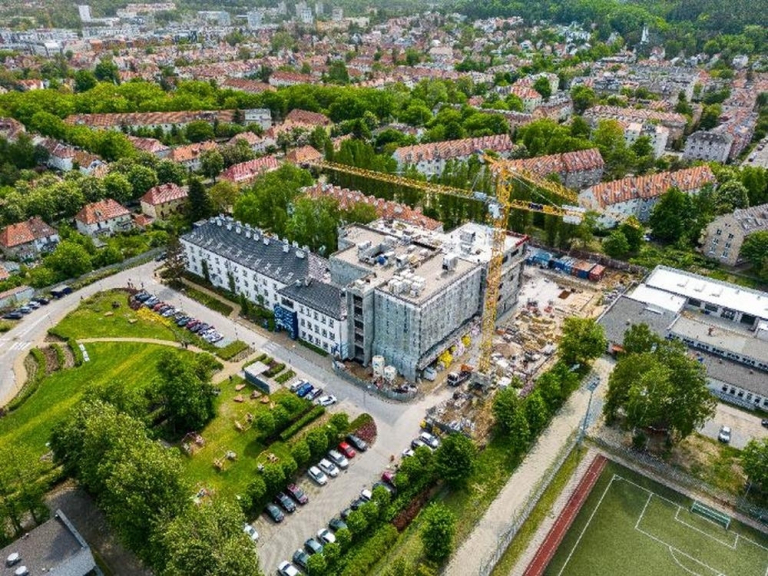
FROM THE AIRPORT: Take a train from the "PR Gdańsk Wrzeszcz" station. You will need to travel 7 stations and get off at "Gdańsk Strzyża". From there, it’s only a 5-minute walk to the university.
FROM THE TRAIN STATION:
Gdańsk has 3 PKP (Polish State Railways) Stations:
- Gdańsk Główny (city centre station)
- Wrzeszcz PKP (take tram 2,6,9,11 to get to UWSB)
- Oliwa PKP (take bus 127,199 to get to UWSB)
BY TAXI: Local taxi numbers
Neptun Taxi - 585 111 555
City Taxi Gdańsk - 530 805 105
Public transport in the Tri-City
Gdańsk, Sopot, and Gdynia together make up the Tri-City metropolitan area.
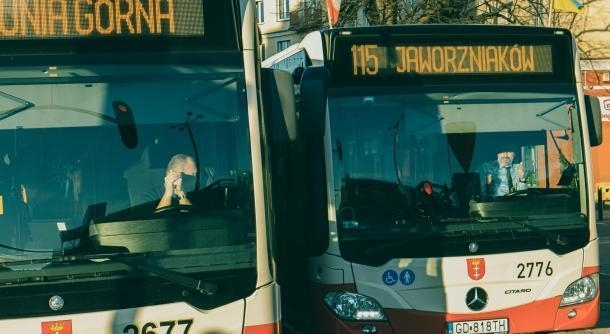
Getting around the Tri-City is easy with trams, buses, and the SKM urban railway. Trams operate mainly in Gdańsk, while buses connect all three cities day and night. A single ticket can be used across trams, buses, and SKM within a fare zone. The SKM is ideal for fast travel between Gdańsk, Sopot, and Gdynia, with trains every 10–15 minutes during peak times.
Fares
When it comes to fares, students can choose from various types of tickets or passes: single-use tickets, 24-hour tickets, 72-hour tickets, 14-day passes, 30-day passes, 90-day passes, and semester passes.
The most cost-effective option for students staying in the Tri-City long-term is the semester student pass, which offers unlimited rides during the academic semester at a discounted rate (available with a valid student ID).
(photo by Albert Bilousov)
Tickets
Tickets can be purchased from ticket machines located at the main bus and tram stops. These machines accept both cash (coins and 10/20 PLN banknotes) and card payments. Alternatively, you can use the mobile application.
You can buy public transport tickets via:
- Jakdojade app (available in English, supports mobile ticket purchases)
- ZTM Gdańsk, ZKM Gdynia, MZK Wejherowo ticket machines
- Mobile payment apps like SkyCash, moBILET, or mPay
- Ticket offices and kiosks around the city
Website of the trip planner
Good to know:
- Trip planner: https://jakdojade.pl/gdansk
- Ticket machines are not available at every station—use a mobile app or FALA machines onboard.
- In Gdańsk, you cannot buy tickets from the driver.
- Validate your ticket before or immediately after boarding (unless using a digital ticket).
- Check your fare zone (Gdańsk, Sopot, and Gdynia are usually within the main zone).
Health insurance
DO’S & DON’TS in Poland
- Illegal substances: It is not allowed to possess, use, or trade illegal drugs or other illegal substances. Polish law is strict on drugs.
- Defamation and insults: Insulting other individuals, including racism and intolerance, is prohibited and can lead to legal consequences.
- Breaking traffic regulations: Adhere to traffic regulations. Non-compliance with traffic rules can lead to fines or accidents.
- Smoking ban in public places: In Poland, there is a ban on smoking in many public places, such as restaurants, bars, public transport, and some parks.
- Illegal parking: Parking in prohibited areas or on sidewalks is punishable by fines.
- Unauthorized drone use: The use of drones may be regulated by law, so it's important to comply with the regulations governing their use.
- Inappropriate behavior in places of religious worship: When visiting places of worship, such as churches or monasteries, maintain decorum and show respect.
- Respect for culture and tradition: Poles take pride in their culture and history. Showing interest and respect for local traditions, holidays, and customs is appreciated.
- Friendliness and politeness: Smiles and a friendly attitude are valued in Poland. It's always worth being polite and helpful in interactions with others.
- Maintaining cleanliness: Take care of the environment and keep things tidy. Properly disposing of trash and maintaining cleanliness in public places are appreciated qualities.
- Consideration in communication: During conversations, it's important to listen to others and respect their viewpoints. Avoid conflicts and discussions on politics and maintain composure.
- Behavior in sacred places: When visiting churches or other places of worship, it's important to maintain silence and show respect.