

Leader 2050
Future Competencies in the Face of Sustainable Development Challenges, Systemic Resilience, and Ecological and Socio-Economic Crises
18–19 June 2026, Wrocław
Post-Conference Monographs
First, we would like to invite you to contribute to the planned post-conference monographs. Once the final concepts and author teams have been confirmed, we intend to submit book proposals to selected international publishers, including Springer, Routledge, and Oxford University Press.
We have sent dedicated emails with further details and invited you to indicate your publication preferences. We kindly ask you to complete the survey by the end of July 2026. We look forward to receiving your responses.
Conference Program
Please take a moment to review the schedule and note the following information:
• Presentation time: Each presenter is allocated 10–12 minutes for their presentation (the presentation template is available below)
• Language of presentation: All presentations should be delivered in English.
• Online participation: Access details for online attendees, including links to all track sessions, will be distributed one day before the conference in a separate email message.
• Programme updates: Due to the scale and complexity of the event, as well as the large number of presentations and parallel sessions, the Organizing Committee reserves the right to make adjustments to the programme if necessary.
We kindly ask participants to understand that the programme has been carefully prepared and coordinated across multiple sessions and speakers. Therefore, requests for changes to presentation dates, times, or session assignments can only be considered in exceptional circumstances.

Live stream: WSB Merito University Wrocław YouTube channel.
Live Stream Link (18 June) https://youtube.com/live/JmMOkmdIZHo?feature=share
Live Stream Link (19 June) https://youtube.com/live/c733b9-0-vk?feature=share
Conference Presentation Template
Authors of accepted abstracts are kindly requested to prepare their presentations using the conference template available below.
Completed presentations should be submitted by 15 June 2026 at the latest. Please ensure that the presentation file is named after the presenting author's surname: Surname.pptx
Please use the following email subject line: leader2050_presentation
The Leader 2050 Conference
is an interdisciplinary forum exploring the competencies future leaders and graduates will need to address systemic crises shaped by technological change, sustainability imperatives, geopolitical instability, and socio-economic challenges.
The event will combine:
Thematic scientific sessions (peer-reviewed papers & posters)
Creative Scientific Communities (collaborative labs producing practical outputs, curricula, and models)
Keynote sessions with internationally recognized experts and mee-the-editors session
Organizers:
- Research Federation of WSB-DSW Merito Universities, Poland https://www.merito.pl/english/federacja/
- WSB Merito Universities https://www.merito.pl/english/
- The Research and Transfer Centre “Sustainable Development and Climate Change Management of the Hamburg University of Applied Sciences”, Germany https://www.haw-hamburg.de/en/ftz-nk/
- Research Centre for System Risk Management, Merito Universities, Poland https://system-risk-research.org/
- University of Lower Silesia, Poland, https://www.dsw.edu.pl/english/
- Civitas University https://civitas.edu.pl/en/
- Center for Energy and Value Issues (CEVI) https://centerforenergyandvalue.org/
- KIEG – Knowledge, Information and Engineering Group
- Zittau/Görlitz University of Applied Sciences. https://www.hszg.de/en/hochschule/ueber-uns
- Hacettepe University, Hacettepe University Energy Markets Research and Application Center. https://huepuam.hacettepe.edu.tr/english/index.html
- Jan Evangelista Purkyně University in Ústí nad Labem, Czech Republic. https://www.ujep.cz/en/
- The Polish Association of Environmental and Natural Resource Economists https://psesizn.pl/en/home/
This conference has been supported by the Polish National Agency for Academic Exchange under the Strategic Partnerships programme (2024).
.%20lub%20This%20conference%20....jpg)
Organizers
Partners
Honorary Patronage

Venue, Travel & Accommodation
WSB Merito University, Wrocław
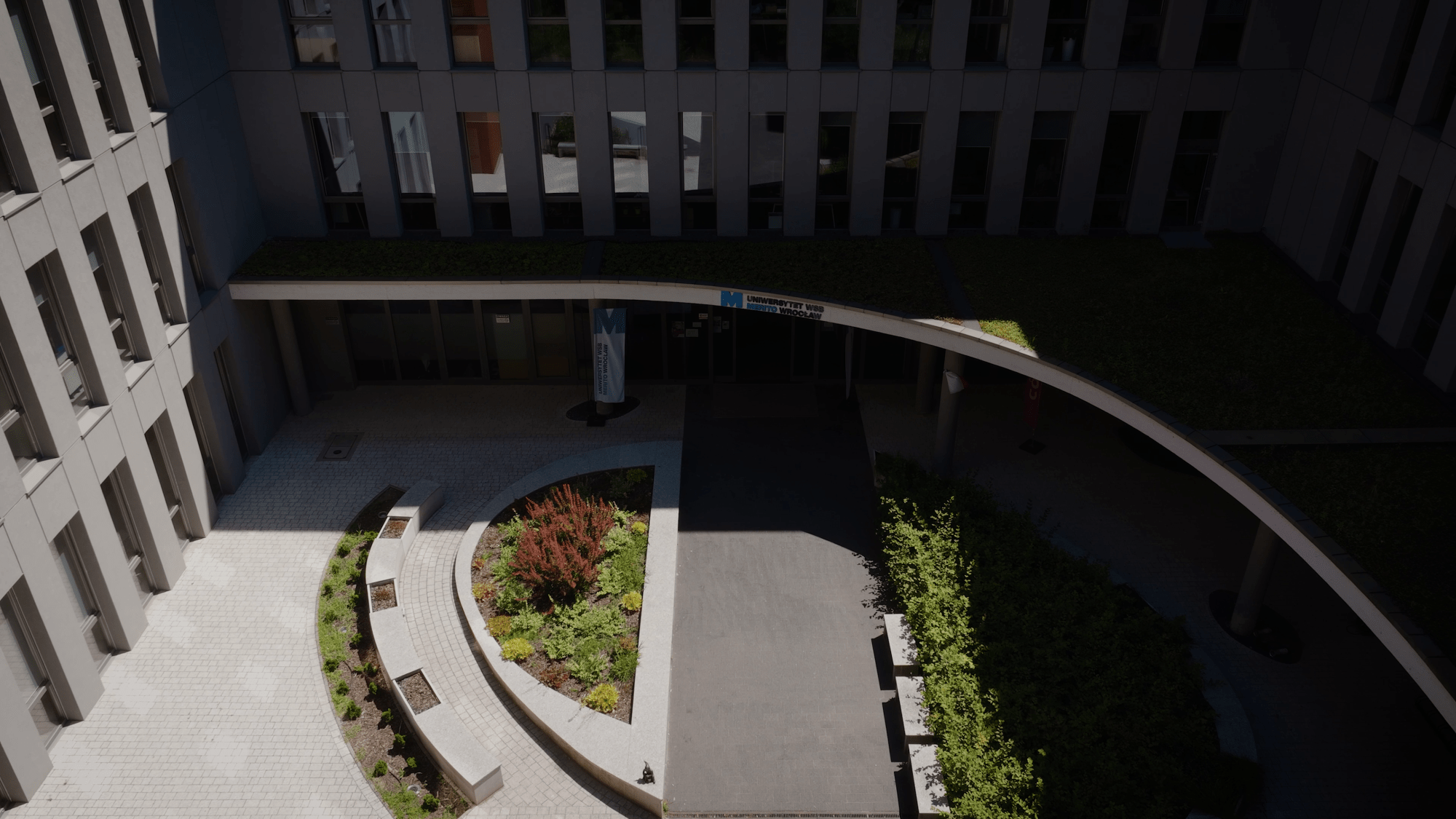
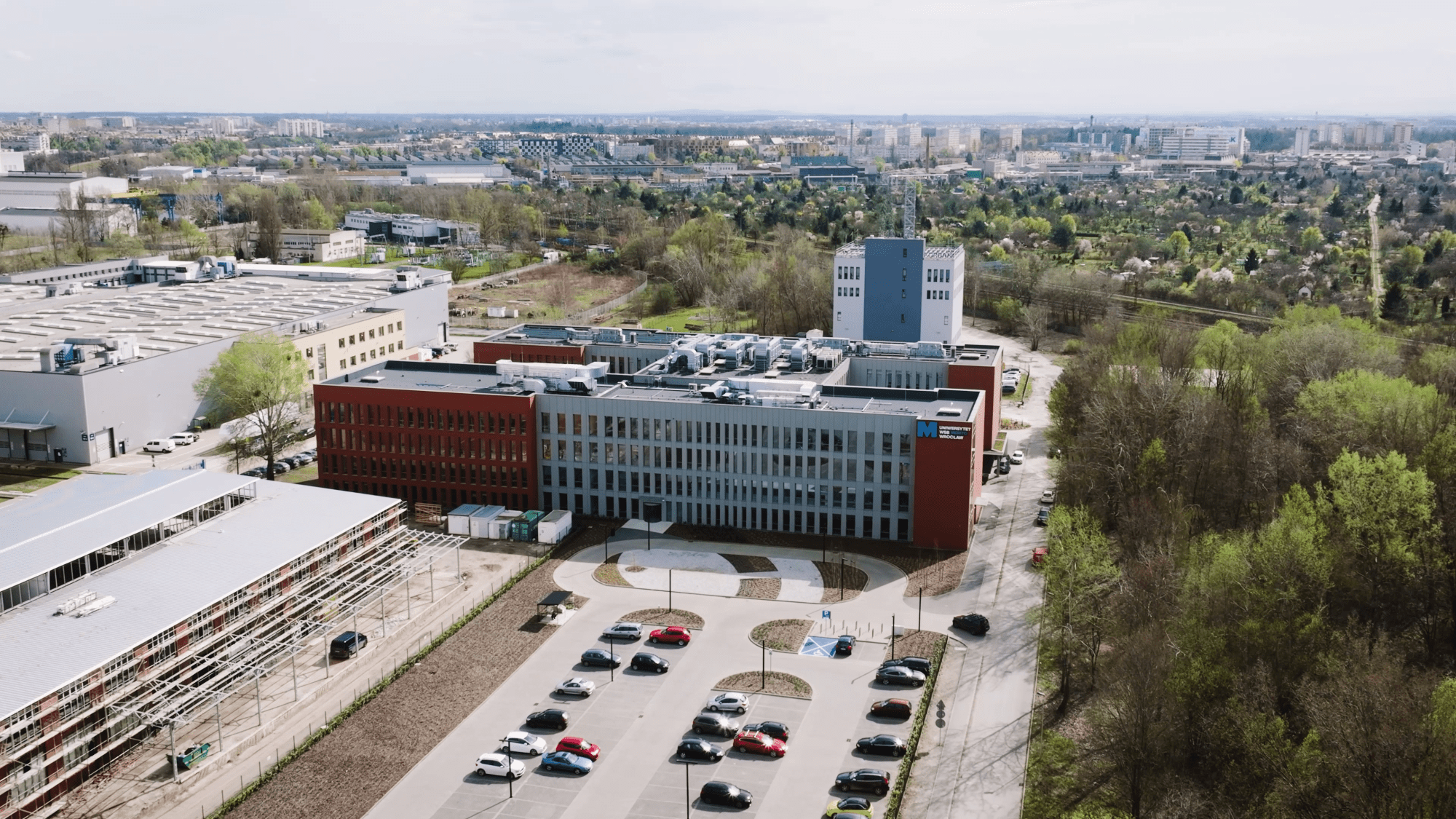
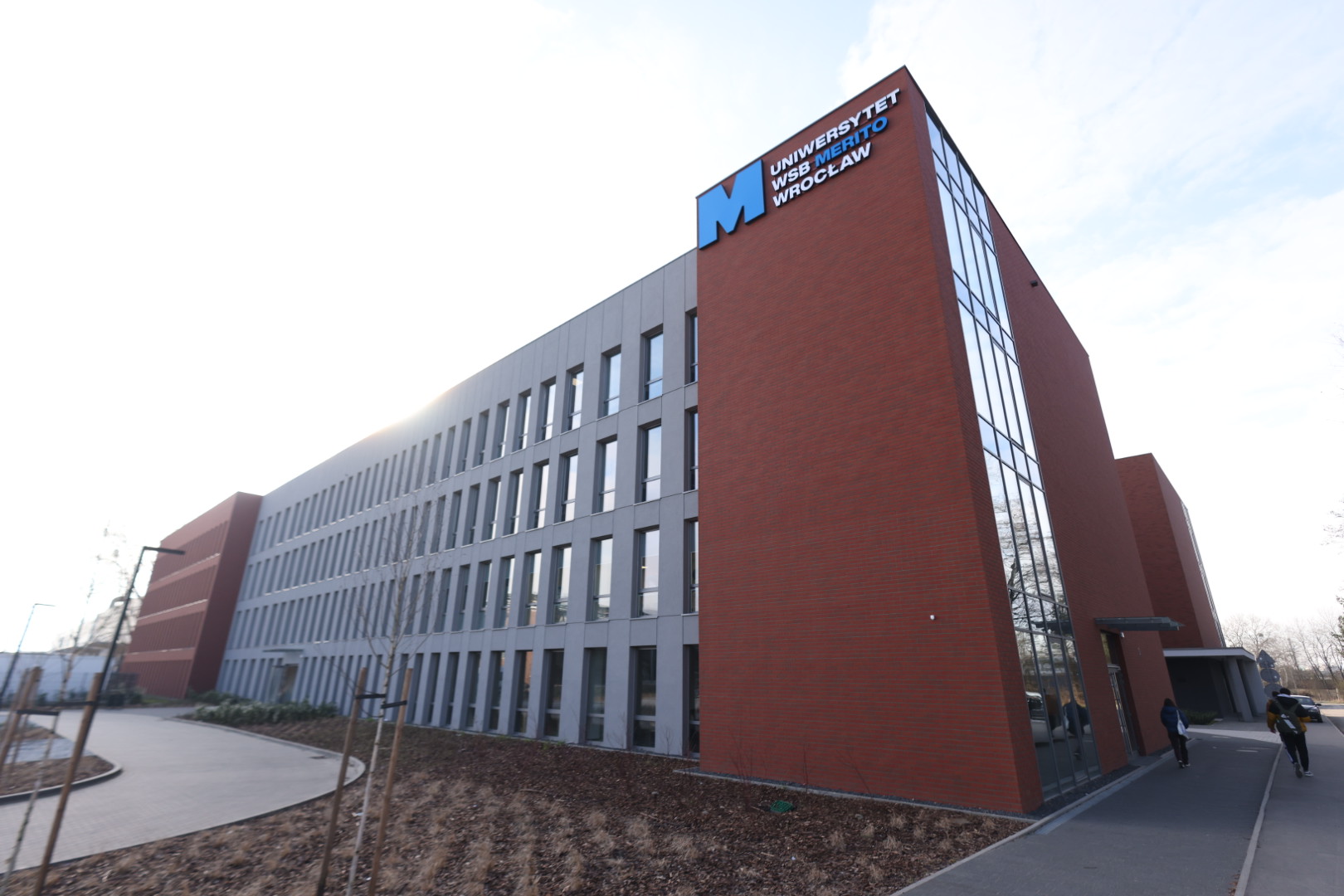
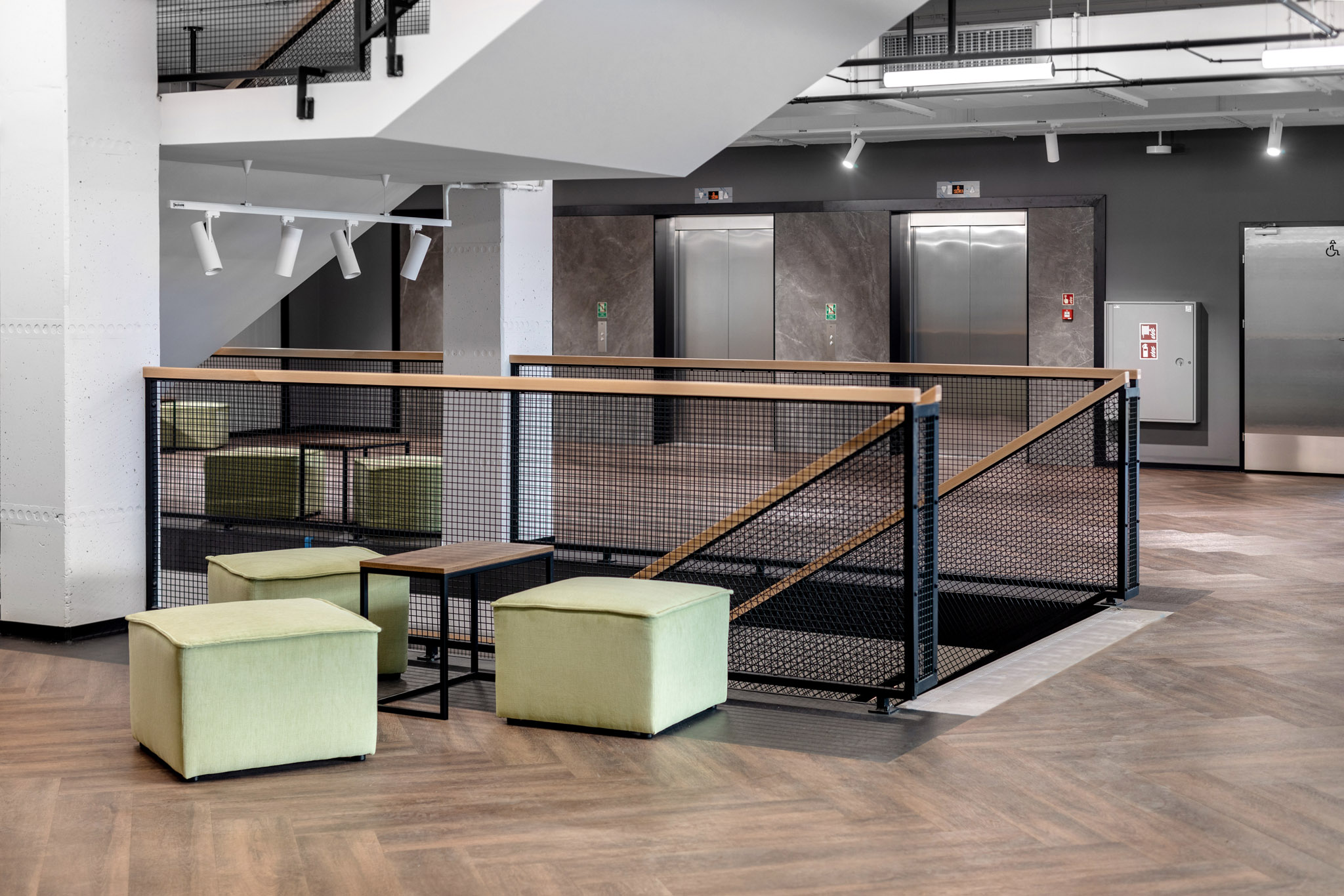
The conference will take place at WSB Merito University, Fabryczna 14g, Wrocław. The campus is located 10 minutes from Wrocław Airport and within walking distance of Wrocław Muchobór railway station.
Conference venue
WSB Merito University in Wrocław
Fabryczna 14g
53-609 Wrocław, Poland
Arriving by plane
Wrocław Airport (WRO) is located approximately 8 km from the conference venue. Taxi transfer takes around 10–15 minutes
Arriving by train
Trains arrive at Wroclaw Muchobór (10-min walk to the campus) and Wroclaw Mikołajów (20-min walk to the campus).
Getting around by tram or bus
Over 20 tram lines and 50 bus routes operate daily in Wroclaw. Services run on average every hour, starting after 04:00 and ending around midnight. Night buses are not frequent. Plan your journey.
The closest stops to the campus are:
• Park Biznesu served by lines 13, 23, 106, 132, 148, 149.
• Fabryczna: served by line 142, make sure to signal the driver if you want to get off
Tickets can be bought:
- at 160 ticket machines located throughout the city
- in 200 outlets that are part of the Mennica Polska S.A. network
- through mobile apps such as URBANCARD, SkyCash, mPay, Jakdojade, and Mobil Solid Solution
- directly on the bus or tram by selecting your ticket on the terminal screen and tapping a contactless payment card or supported smartphone. Please note that you will not receive a paper ticket.
Accomodation
Delegates are responsible for reserving and covering the cost of accommodation for the duration of their stay.
Below you can find our recommendation:
Park Hotel Diament Wrocław
Muchoborska 10, 54–424 Wrocław
https://www.hotelediament.pl/en/hotels/park-hotel-diament-wroclaw/
Park Hotel Diament Wrocław**** is a modern, air-conditioned business hotel located only 10 minutes drive both from the historic Old Town and the Wroclaw Airport.
A discounted rate of 15% has been secured for both single and double rooms.
To make a reservation, please use the code LEADER2050 or the direct link https://reservations.travelclick.com/100149?identifier=LEADER2050&Langu…;
VISIT WROCŁAW
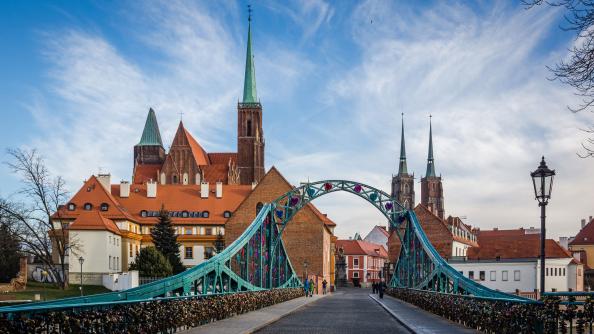
Wrocław (pronounced Vrots–swaf) is the capital city of Lower Silesia. It is located on the Oder River and known as a city of 100 bridges. Wrocław is the fourth largest city in Poland, and is among one of the republic’s major manufacturing, banking, industrial, tourist and cultural centers.
Thanks to hosting events such as the Euro 2012 Championship and the 2016 European Capital of Culture, Wrocław is gaining a larger European and international profile. It is known for historic city center, picturesque bridges and islands, and the city’s relaxed liberal culture.
For more foreigner-friendly tips, click here: https://www.inyourpocket.com/wroclaw/basics or here: https://visitwroclaw.eu/en
Call for Papers
Leader 2050 is an interdisciplinary conference dedicated to explore the essential competencies required by future leaders and university graduates as they navigate the complexities of the mid-21st century. As technological advancements, globalization, and artificial intelligence continue to reshape our societies, there is a growing demand for innovative models of education, leadership, security, economic governance, and organizational management that can respond to multidimensional crises.
The conference delves into the interconnections between emerging technologies, sustainability imperatives, economic resilience, and systemic risk management. One of the key challenges of our time is the transition toward a less fossil-fuel-dependent society, driven by climate change, energy price volatility, and geopolitical instability. This transition is not only a technological or environmental task, but also a deeply social, economic, financial, and organizational one, requiring new strategies in management, investment, and policy.
The push for interconnected, large-scale solutions often fails to recognize the systemic vulnerabilities within global networks and supply chains, vulnerabilities that threaten not only energy security but the broader economic and social stability of nations. Leaders must therefore be equipped with skills in crisis management, financial decision-making, and systems thinking to anticipate and respond to such disruptions effectively.
Technology, while central to innovation, also introduces profound risks. The rapid digitalization of society presents both opportunities and challenges, particularly in cybersecurity. The war in Ukraine has demonstrated the strategic importance of digital warfare, highlighting the need to protect critical infrastructure such as energy supply systems and financial institutions.
In this context, the conference explores how leaders in economics, finance, management, and public policy can navigate these intersecting pressures while upholding societal values, sustainability goals, and long-term strategic vision.
During the conference, participants will have the opportunity to share their scientific passion, present the results of research in thematic scientific sessions and a poster session. These formats provide a space for inspiring discussions, exchange of experiences, and building collaborations across disciplines and perspectives.
An integral part of the event will also be the work within Creative Scientific Communities – co-creation labs, where scientists, practitioners, educators, and young leaders will jointly seek future-oriented solutions applicable in education, public policy, and institutional practice.
Conference Themes:
- Artificial Intelligence & Leadership
- Psychological Resilience & Cognitive Flexibility
- Cybersecurity, Crisis Preparedness & Infrastructure Protection
- Sustainable Logistics & Technological Innovation
- Organizational Management & Sustainable Leadership
- Systemic Risk in Economics & Finance
- Behavioral Economics of Risk Ignorance
- Education for Sustainability & Future Preparedness
- Communication & Public Perception of Crises
- Sociology of Trust, Transformation & Digital Transition
- Governance, Energy Policy & International Cooperation
Important Dates
• Abstract Submission Deadline (papers & posters): 31 March 2026
• Notification of Acceptance: 31 March 2026
• Registration Deadline: 2 May 2026
• Fee Payment Deadline: 16 May 2026
• Conference Dates: 18–19 June 2026
• Full Paper Submission Deadline: 31 July 2026
• Publication Acceptance Notification: expected September 2026
Please be informed that we are no longer accepting new abstract submissions.
Formats of Participation
- Oral Presentations
- Poster Sessions (A1 format)
- Creative Scientific Communities (open to all participants)
- We accept both full papers and work-in-progress contributions.
KEYNOTE SPEAKERS AND MEET-THE-EDITOR SESSION
Cecilia M. Villas Bôas de Almeida
Paulista University (Brazil), Co-Editor-in-Chief of the Journal of Cleaner Production
She is currently a tenured professor at ICET (Institute of Exact Sciences and Technology) and the Graduate Program in Production Engineering at Paulista University. Her research focuses on Cleaner Production and Industrial Ecology, in which she analyzes and develops concepts, tools, and techniques for calculating environmental and sustainability indicators. Prof. dr. Almeida is recognized for her contributions to the field and actively collaborates with various international research initiatives aimed at promoting sustainable practices in industry.
She also serves as a researcher at LaPROMA (Laboratory of Production and Environment) at Paulista University. From 2012 to 2015, she was a Subject Editor for Cleaner Production in Latin America for the Journal of Cleaner Production, served as Executive Editor in 2016, and has been Co-Editor-in-Chief of the Journal of Cleaner Production since May 2017. She is also the Editor-in-Chief of Cleaner and Responsible Consumption, a new online open-access journal that publishes selected research of the highest quality and impact in their specific disciplines, sharing JCLP’s strong editorial leadership to deliver high-quality, peer-reviewed original research to the scientific community through open-access publication.
Key-note speech: “Measuring What Matters: Sustainability Metrics for Resilient Leadership in a Complex World.”
Meet the editor of the Journal of Cleaner Production session
https://www.sciencedirect.com/journal/journal-of-cleaner-production
https://www.sciencedirect.com/journal/cleaner-and-responsible-consumption

Ali Emrouznejad
Professor and Chair in Business Analytics,
Surrey Business School, University of Surrey (UK)
Ali Emrouznejad is Professor and Chair in Business Analytics at Surrey Business School, University of Surrey (UK), and Director of the Centre for Business Analytics in Practice (CBAP). His research focuses on how advanced analytics, artificial intelligence, and performance measurement models can support sustainable decision-making, organisational resilience, and strategic leadership in complex systems.
He is internationally recognised for his contributions to efficiency and productivity analysis, particularly Data Envelopment Analysis (DEA), and its integration with machine learning and AI to inform resource allocation, policy design, and long-term value creation across public and private sectors.
Professor Emrouznejad is Editor-in-Chief of the Journal of Business Analytics and guest editor or serves on the editorial boards of leading journals including the European Journal of Operational Research, Journal of the Operational Research Society, and Annals of Operations Research. He has authored 25 books and over 250 peer-reviewed articles and has been recognised by Stanford University as among the world’s top 2% most influential scientists. He currently serves on the Business and Management panel for the UK Research Excellence Framework (REF) 2029. https://emrouznejad.com/ali/
Journals:
- Editor in Chief ofJournal of Business Analytics
- Editor of Annals of Operations Research
- Guest Editor of European Journal of Operational Research
- Department Editor of OR Spectrum
- Department Editor of IMA Journal of Management Mathematics
- Associate Editor of Socio-Economic Planning Science
- Associate Editor of RAIRO-Operations Research
- Member of the editorial team of several journals, including Central European Review of Economics and Management
Title: From Efficiency Measurement to Intelligent Leadership: DEA and AI for Sustainability and Resilience
Speaker: Ali Emrouznejad
Abstract: In an era characterised by environmental challenges, socio-economic uncertainty, and systemic crises, leaders must move beyond traditional performance benchmarking toward intelligent, forward-looking decision-making. This keynote explores how artificial intelligence (AI) and business analytics can transform performance measurement into a strategic capability that supports sustainability, organisational resilience, and long-term value creation.
Drawing on analytical frameworks such as Data Envelopment Analysis (DEA) and their integration with machine learning techniques, the talk illustrates how organisations can evolve from static efficiency assessment to predictive and prescriptive performance intelligence. By combining benchmarking models with AI-driven insights, leaders are better equipped to anticipate future performance outcomes, evaluate alternative resource allocation strategies, and make informed, proactive decisions in complex and uncertain environments.
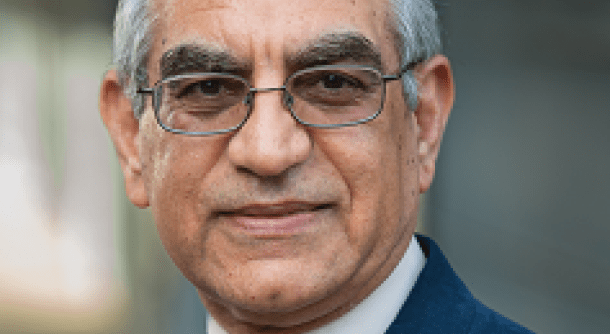
David Criekemans
Associate Professor in ‘International Relations’ at the University of Antwerp (Belgium),
Senior Lecturer ‘Geopolitics’ at the Geneva Institute of Geopolitical Studies (GIGS) (Switzerland).
Professor David Criekemans is Associate Professor in International Politics at the University of Antwerp (Belgium), where he teaches 'Belgian and Comparative Foreign Policy' and conducts UN Security Council simulations. He conducts research on themes such as: foreign policy (regional, national, European Union); Geopolitics (both theoretical and case-oriented); energy and international politics; multilateral policy and negotiations; theory and history of International Relations. He is a frequently asked speaker and commentator on current international political and geopolitical issues for domestic and foreign media, both in the written press and on radio and television. He is author of a number of books, the most recent titled ‘Hyperrealism, Europe in a new geopolitical era'.
Key-note speech: Sustainability and Geopolitics - ESG to the Second Power (ESG²). The case for ‘Geo-Resilience’.
In this keynote, David Criekemans will discuss the need to include Geopolitics into an “ESG to the Second Power” (ESG²), and make a case for Geo-Resilience. He will do so via going back to the roots of Geopolitics at the end of the nineteenth century and compare to today’s complex and often worrisome Geopolitics. Via concepts such as the ‘geo-technical ensemble’ (Deudney) and the move from a neoliberal to a neorealist paradigm, some remarks are made on ESG today. All major powers in the world (EU, US, China) focus on sustainability, but in different ways. Rising geopolitical tensions create new challenging situations with regard to access to resources needed for energy transition, supply chain stresses and geo-economic competition. ‘Geo-resilience’ is an approach in which these challenges are dealt with in a more structured way
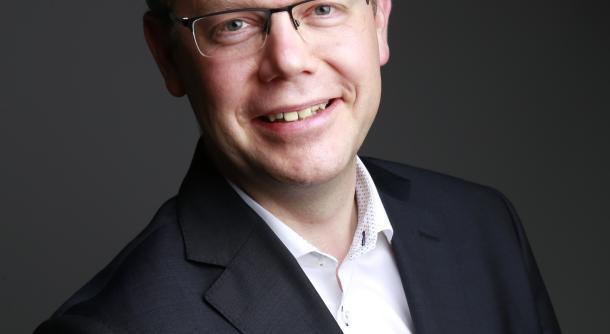
Francesco Saverio Ambrogetti
Professor at Bologna University and at IULM University in Milan,
Principal Adviser of Innovative and Alternative Finance for Children (IF4C) at UNICEF.
Francesco Saverio Ambrogetti is the Principal Adviser of Innovative and Alternative Finance for Children (IF4C) at UNICEF. He is a recognized global leader in fundraising and sustainable finance and raised over $2B in his career.
He has led and supported the design and development of award-winning investment and financing structures like:
· BancoFuturo LAC with CAF development Bank of Latin America which will invest $5B through debt swaps, bonds and loans in child related investment (2025)
· the first UNICEF- World Bank Bond for $100M to support fund raising in emerging markets (awarded the best deal of the year by IFLR in 2021)
· the first Outcome finance structure for Polio with European Investment Bank, European Commission and Bill and Melinda Gates Foundation for $500M (2024)
· the nutrition financing facility for UNICEF suppliers in Sub Saharan Africa with Children Investment Fund foundation (CIFF) and UNCDF for $5M (2024)
· 3 Exchange Traded Funds (ETFs) on gender equality with YWCA ($WMN), racial equality with NAACP ($NACP) and SDGs with UNCDF ($SDGA) (2019)
Before this role he managed UNICEF Supporter Engagement strategy of UNICEF to accelerate the digital engagement of 100 million supporters and before he led the innovative finance at UNCDF.
He has been in fundraising, investment, and marketing roles with UNICEF in Italy as Director of Fundraising, in UNICEF in Panama, UNFPA in Thailand and with UNAIDS. Francesco has more than 25 years of fundraising leadership experience with global organizations including UNICEF, UNAIDS, UNHCR, MSF, WWF and the Red Cross. His experience extends worldwide and includes raising billions of dollars in Europe, Africa, Asia and Latin America. He launched the campaign “Schools for Africa” for UNICEF and Nelson Mandela Foundation that raised over $200 million.
Francesco is a Professor at Bologna University and at IULM University in Milan. He is a frequent speaker at international congresses and author of award-winning books like Emotionraising: How to astonish, disturb, seduce and convince the brain to support good causes, (2016, Civil Society Press) and Hooked on a feeling. How passion and devotion for good causes become memories and identities (2021, Hillborn).
Key-note speech: title to be announced
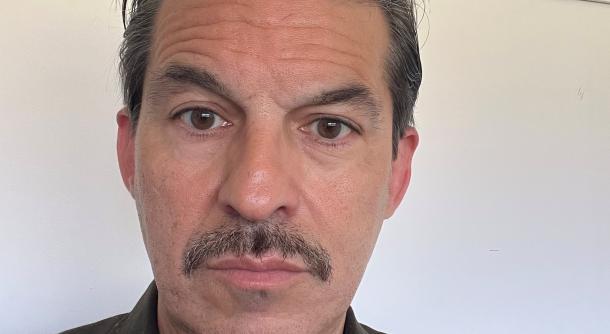
Aydin Ozkan
Professor at Kent Business School, University of Kent.
Professor Aydin Ozkan is Professor of Finance at Kent Business School, University of Kent. His research makes significant contributions to empirical corporate finance and financial economics, with particular emphasis on corporate investment, capital structure, dividend policy, corporate governance, ownership structure, managerial compensation, and the economics of insolvency. His work is recognised for its rigorous empirical methodology and its impact on understanding corporate decision-making and stakeholder dynamics. More recently, he has advanced research on climate risk and corporate social responsibility, examining how sustainability considerations shape firm behaviour and financial outcomes. He has published extensively in leading peer-reviewed journals and regularly presents his research at international conferences, contributing actively to the global academic finance community
Key-note speech: Sustainability as capital allocation: Incentives, pricing, and the limits of ESG.
Sustainable finance is often framed as a solution to climate change, yet its effectiveness ultimately depends on whether it changes how capital is allocated. This analysis adopts a corporate finance perspective, focusing on cost of capital, investment decisions, and managerial incentives. If ESG considerations were sufficiently strong, they would lead to a substantial reallocation of capital toward low-carbon assets. However, evidence suggests that pricing effects remain modest, and capital continues to flow toward carbon-intensive activities alongside sustainability commitments. Many low-carbon investments appear less attractive under conventional risk-adjusted return metrics, particularly given their longer horizons and greater uncertainty. ESG mechanisms therefore tend to shift risks across stakeholders rather than fully internalise externalities. The central issue is not awareness but incentives. Without credible policy signals, effective pricing of transition risk, and governance structures that shape investment decisions, sustainability will remain peripheral to capital allocation.

S.J. Purdom
Mr Stephen Purdom, MPhil, Cantab, is an experienced Investment banker, private equity fund manager and finance professional with over 30 years of experience, Prior to a career in investment banking at Barclays Bank and Credit Suisse First Boston, Mr Purdom held roles as a lecturer in Economics in the University of Wroclaw, Department of Law and Administration (1992-1993) and at Akademia Ekonomiczna im. Oskara Langego we Wrocławiu, Poland (1993-1994).
Both of these roles were funded by the Central European University which is supported by Mr George Soros and the courses were taught in English and in Polish over the course of two years.
Mr Purdom also gave courses focused on business English to students and has a working knowledge of the Polish language thanks to his time in Wroclaw.
In 1995 he completed his Masters degree in Economics in Cambridge, England and was appointed a Supervisor in Economics at the University of Cambridge, England (Sidney Sussex College).
In late 1995, Mr Purdom joined Barclays’ Investment banking division, Barclays de Zoete Wedd, as a junior banker and rose to the level of Director of the bank, latterly with Credit Suisse First Boston.
He performed a range of roles in origination and syndication of equity related IPOs and other equity offerings, including the IPOs of KGHM Polska Miedz , PKO, Telecom Italia and Google Inc. In 2001 Mr Purdom transferred to New York where he was Head of International Equity Capital Markets, responsible for all non-US company equity offerings into the United States of America. Mr Purdom has raised over US$280bn of equity capital for companies globally in teh course of his career.
In 2006, Mr Purdom left Credit Suisse and co-founded Southern Bridge Capital, a Private equity firm focused on real estate projects in Latin America. The company has funded over US$4bn of real estate development, including the development of over 48,000 housing units in 50+ projects in four countries in Latin America. The firm was seeded by a leading private equity firm in the US and has attracted capital from a range of investors, including US government pension funds, Fortune 500 companies and European Fund of Funds. SBC has also collaborated with UNICEF to improve their housing projects’ social impact and has received funding from social impact investors in both the US and in Europe.
SBC remains committed to building communities throughout Latin America and improving best practices throughout the region.
Key-note speech: Sustainability under constraints - a real world example
TRACK SESSIONS
Track session 1.
Building resilience to systemic crises
Track session 1a. Modelling probability amplifiers of system risk (PASR)
As global systems become increasingly complex and interdependent, the frequency and intensity of crises are amplified by subtle but powerful feedback mechanisms—probability amplifiers of system risk. Understanding these amplifiers is crucial for developing strategies that prevent cascading failures and strengthen societal, organizational, and ecological resilience.
This track explores conceptual and empirical approaches to modelling determinants and amplification pathways of systemic risk, with a focus on integrating these insights into policy design and leadership education. We invite contributions that:
- Identify and model key probability amplifiers of systemic crises across economic, social, and environmental domains;
- Develop frameworks for early detection and mitigation of systemic vulnerabilities;
- Examine how knowledge of the 17 Sustainable Development Goals (SDGs) can inform resilience-oriented policy and strategy.
The track encourages interdisciplinary collaboration using systems thinking, foresight analysis, and governance innovation to equip leaders for the complexity of 2050.
Contact: [email protected]; [email protected]
Track chairs
Johannes (Joost) Platje – WSB Merito University Wrocław, Poland, Research Centre for System Risk Management (Main Contact).
Johannes Platje is Professor WSB Merito University in Wrocław. His research examines system risk, resilience, and sustainability in socio-economic systems, focusing on how institutions and leadership shape responses to uncertainty and crisis. He studies the mechanisms through which cognitive, social, and organizational factors amplify or mitigate systemic vulnerabilities. As founder and editor-in-chief of the Central European Review of Economics and Management, he advances interdisciplinary dialogue on managing system risk and building sustainable, adaptive futures.
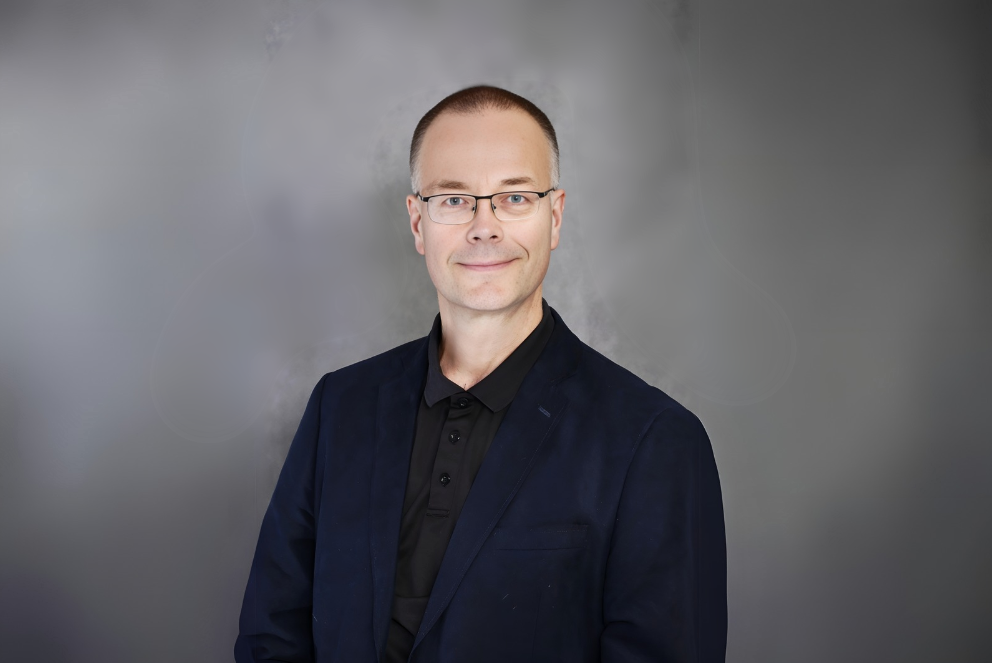
Tino Schütte – University of Applied Sciences Zittau/Görlitz, Germany.
Prof. Dr. Tino Schuette is a professor at Hochschule Zittau/Görlitz focusing on energy economics as well as waste and disposal management. He leads the laboratory for building energy technology, serves as research commissioner for his faculty, and is responsible for the industrial engineering programme. Approved as an energy auditor under DIN EN 16247-1 and as a technical expert in CO₂/THG factors, heating-net expansion and decarbonisation plans, he applies his expertise in teaching, research and practice.
Kazim Baris Atici - Hacettepe University, Ankara, Türkiye.
Prof. Dr. Atici specializes in Operational Research, mathematical modelling, decision analysis and efficiency measurement. He earned his PhD from the University of Warwick (UK). His research positions within the scope of decision aiding in the public or private business sectors and focuses on applications of quantitative methods to various areas including Energy & Environment, Agriculture, Higher Education and Finance. He has published numerous articles in prestigious journals (including the European Journal of Operational Research, Omega, and Operations Research).

André Dorsman – Vrije Universiteit Amsterdam & Research Centre for System Risk Management
Professor of Finance with expertise in energy finance, corporate governance, and systemic risk. His research focuses on financial resilience, energy transitions, and the economics of digital security.
Track session 1b. Sustainability, Resiliency and Total Security in the Evolution of Electricity-Based Digitalized Energy Systems (SRTS)
This session explores the transformative shift toward electricity-based digitalized energy systems (EBDES), where AI- and IoT-enabled smart grids evolve into complex socio-cyber-physical systems (SCPS). We aim to investigate how digital technologies, human behaviour, and physical infrastructures co-evolve to shape sustainability, resilience, and total energy system security encompassing supply, cyber, and socio-cultural dimensions. The session encourages multidisciplinary and critical research, welcoming both qualitative and quantitative approaches. Topics may include modelling and measurement, human behaviour and decision making, business models and ecosystems, governance frameworks, and systemic impacts. The goal is to foster holistic understanding and actionable insights into the evolving energy landscape.
Contact: [email protected]; [email protected]
Track chairs:
Katja Sirviö - University of Vaasa
Katja Sirviö is a Senior Researcher at the University of Vaasa specializing in smart grid research infrastructures. With over 25 years of experience in academia, industry, and entrepreneurship, she has led major testbed initiatives at VTT and university, contributes to the Vaasa Energy Transition Valley, and serves on the board of Vaasan Sähköverkko.
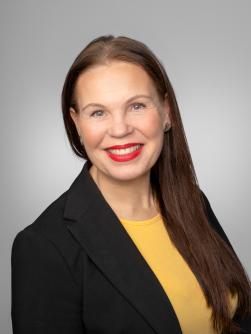
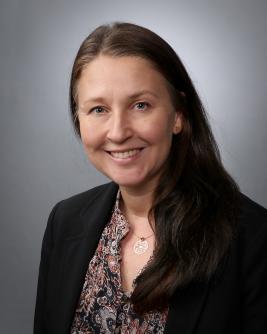
Petra Berg - University of Vaasa
A Postdoctoral Researcher at the University of Vaasa in Marketing. Her research interests encompass consumer behaviour, social paradigms, business circular ecosystems, sustainability transitions, and the cybersecurity of social-cyber-physical energy systems. Petra has 15 years of experience in academia and industry projects and multidisciplinary collaboration in international settings and serves in the board of NEEN (Nordic energy equality network).
Track session 1c. Resilient Europe: an Ordoliberal Perspective (RE-OP)
The track “Resilient Europe: an Ordoliberal Perspective” (RE-OP) explores how Europe can strengthen its systemic resilience amid escalating ecological, social, and economic crises. A resilient Europe is a pressing issue as the continent faces climate change, global market disruptions, geopolitical instability, and democratic fragmentation. Building resilience requires balancing economic freedom with social responsibility and robust institutional frameworks—principles central to the ordoliberal tradition. Ordoliberalism emphasizes a rules-based economic order, competitive markets, and a strong state that safeguards both stability and fairness. This perspective offers a crucial lens for rethinking sustainability governance and leadership in times of uncertainty. Within the “Leader 2050” conference, RE-OP invites interdisciplinary dialogue on how ordoliberal ideas can inform future competencies, policy innovation, and leadership models to sustain Europe’s economic and social systems while reinforcing democratic legitimacy and ecological integrity for the long term.
Contact: [email protected]; [email protected]
Track chairs:
Lachezar Grudev – University of Applied Sciences Zwickau, Germany.
Prof. Dr. rer. pol. Lachezar Grudev is Acting Professor of Economics at Westsächsische Hochschule Zwickau since 2023. He holds a doctorate from Albert-Ludwigs-Universität Freiburg (2022). Previously, he has been Research Fellow at Duke University (2020-21) and Adam Smith Fellow at Mercatus Center (2018-22).
Ralph M. Wrobel – University of Applied Sciences Zwickau, Germany.
Prof. Dr. sc. pol. Dr. nauk hum. Ralph Michael Wrobel is Professor of Economics at “Westsächsische Hochschule Zwickau” since 2004. He holds two doctorates: one in economics (Dr. sc. pol.) from Kiel (1999) and another in history from Kraków (2019). His work focuses on social market economy, ordoliberal policies, emerging markets in Central/Eastern Europe and Asia (especially Estonia, Korea, and China).
Track session 2.
International Academic Cooperation for Sustainable Development (IAC-SD)
This track explores how international academic cooperation can accelerate progress toward the UN Sustainable Development Goals by linking research, education, and leadership across borders. In a world of climate instability, social inequality, and systemic risks, universities are key agents of sustainable transformation.
Drawing on collaboration between institutions in Poland, Germany, and Turkey, the session examines how transnational partnerships strengthen institutional resilience and foster innovation in sustainability teaching and research. Discussions will address the integration of SDGs into academic programs, the use of digital and experiential learning tools, and the development of shared methods for understanding systemic risks and social change.
By connecting diverse academic and cultural perspectives, the session highlights how global higher-education networks can build collective capacity for responsible leadership, ethical innovation, and long-term sustainability.
Contact: [email protected]; [email protected]
Track chairs:
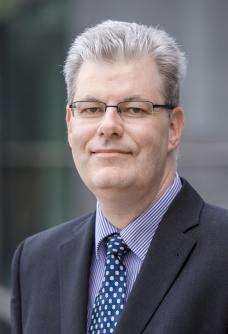
Johannes (Joost) Platje – WSB Merito University Wrocław, Poland, Research Centre for System Risk Management (Main Contact).
Johannes Platje is Professor WSB Merito University in Wrocław. His research examines system risk, resilience, and sustainability in socio-economic systems, focusing on how institutions and leadership shape responses to uncertainty and crisis. He studies the mechanisms through which cognitive, social, and organizational factors amplify or mitigate systemic vulnerabilities. As founder and editor-in-chief of the Central European Review of Economics and Management, he advances interdisciplinary dialogue on managing system risk and building sustainable, adaptive futures.
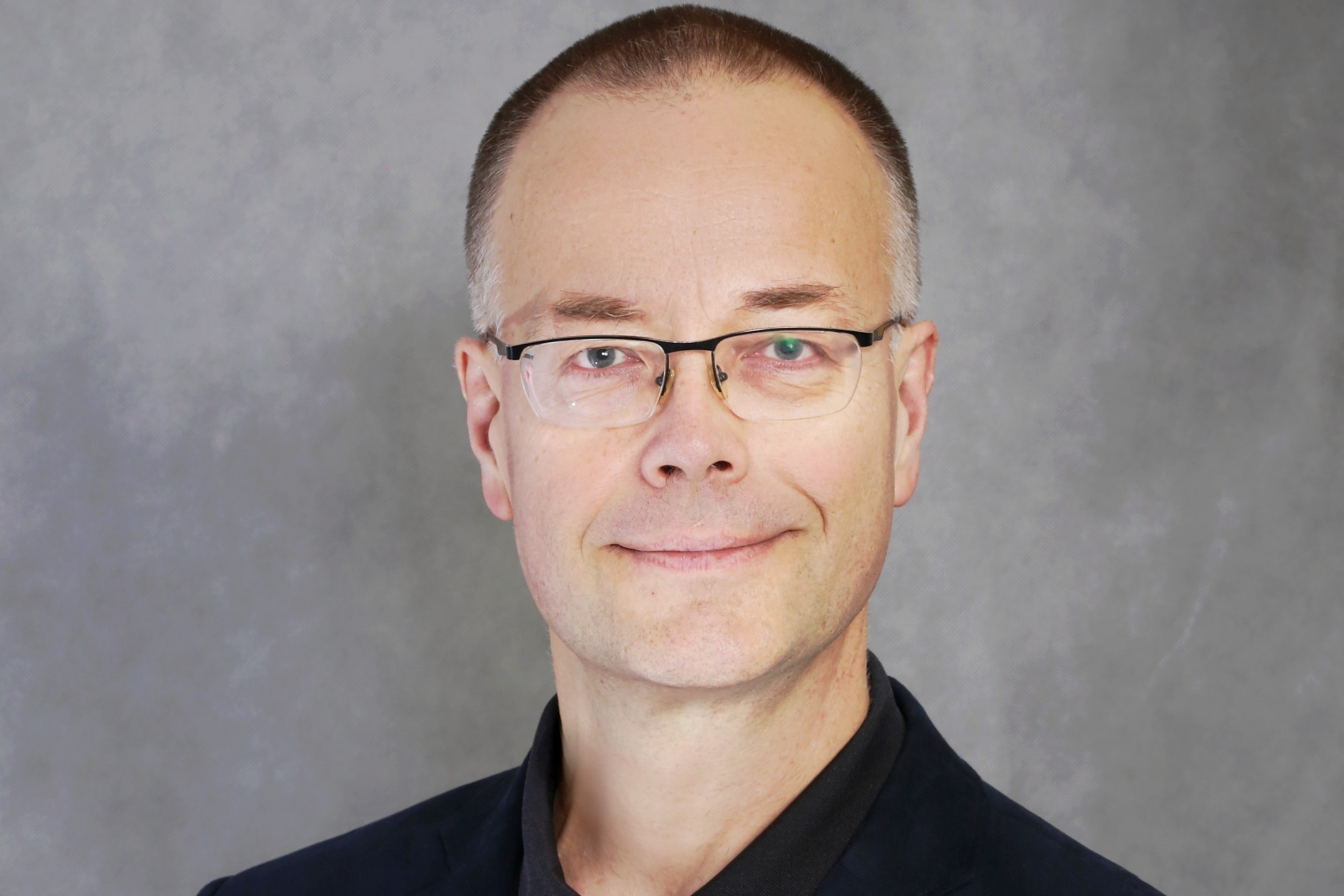
Jana Brauweiler, University of Applied Sciences Zittau/Görlitz, Germany.
Prof. Dr. Jana Brauweiler is a professor, specializing in Integrated Management Systems. She studied Business Administration with a focus on organizational management and human resources and earned her doctorate on environmental management systems. A certified internal environmental auditor (TÜV Rheinland) and internal auditor for integrated management systems (DNV GL), she teaches in the Master’s programs Integrated Management Systems and Integrated Management. Prof. Brauweiler is co-editor of several professional handbooks on occupational health and safety management, environmental management, auditing, and regulatory compliance.
Bülent Çekiç, Hacettepe University, Ankara, Türkiye.
Bülent Çekiç is an Assistant Professor at Hacettepe University’s Department of Business Administration, where he integrates sustainability, supply chain management, and innovation into production systems. Passionate about bridging theory and practice, he focuses on how technology and strategic decision-making can drive more sustainable, resilient, and high-performing organizations.
Track session 3.
Leadership competences in the face of complex challenges (LC-CC)
The track “Leadership Competences in the Face of Complex Challenges” (LC-CC) explores how young and emerging leaders can develop the adaptive, systemic, and ethical capabilities needed to navigate a volatile, uncertain, complex, and ambiguous (VUCA) – as well as brittle, anxious, nonlinear, and incomprehensible (BANI) – world. As societies and organizations face escalating instability, fragility, and digital transformation, leadership becomes a discipline of anticipation, flexibility, and ethical responsibility.
The session focuses on the scientific identification and operationalization of key leadership competencies for the next generation of leaders under conditions of uncertainty. Core areas of inquiry include cognitive and decision-making adaptability (tolerance for ambiguity, rapid information recontextualization), systems thinking and organizational resilience, and human–AI collaboration encompassing algorithmic literacy (prompt design, model auditing, interpretability) and ethical oversight.
Methodologically, LC-CC applies foresight-driven and design-based approaches such as competence mapping, rapid model prototyping, and the mini-Delphi method to validate and translate research findings into actionable frameworks. The main outcome of the track will be the Leader 2050 Competence Compass – a conceptual and practical model with indicators, a minimal developmental syllabus for universities and organizations, and recommendations for responsible human–AI collaboration.
The track invites students, young professionals, and early-career researchers to engage in cross-sectoral dialogue. It aims to foster an evidence-based understanding of future leadership competencies, bridge the gap between research and practice, and contribute to global debates on resilience, sustainability, and ethical technology use in leadership.
Contact: [email protected]; [email protected]
Track chairs:
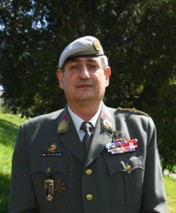
Harald Gell - Theresan Military Academy, Austria.
COL Assoc. Prof. Harald Gell is Chairman of the EU Military Erasmus (EMILYO) Implementation Group and the Head of the International Office & Senior Lecturer at the Theresan Military Academy in Austria. Publications in security policy, security research, and endocrinology. Researches in the field of military management.
Piotr Pietrakowski - WSB Merito University Wroclaw/Opole, Poland.
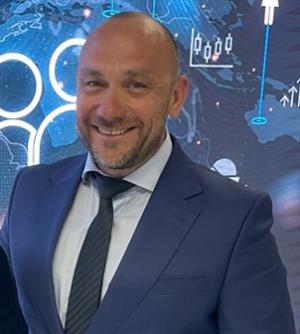
Army LTC (ret.) OEF & ISAF OPS Veteran. NEUROLIDER program coordinator, scanning thermoregulatory diagnostics and Stressonika CleverPoint program expert. Assistant professor at the WSB Merito University Wroclaw/Opole. Co-organizer and substantive expert of international projects implemented under strategic partnerships in the areas of education and the development of leadership competences, including the implications of new technologies under Leadership 4.0.
Markus Will - University of Applied Sciences Zittau/Görlitz, Germany.
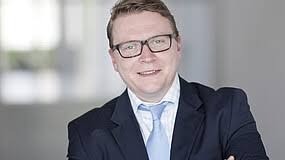
Markus Will is a lecturer at Hochschule Zittau/Görlitz and co-managing director of the Institute for Sustainability Management GmbH. His work focuses on sustainability, climate protection, and the role of modern technologies and corporate responsibility. He leads projects on greenhouse gas accounting and energy consumption monitoring, translating these methods into innovative software solutions for municipalities. As a speaker and trainer, he supports medium-sized enterprises in developing robust sustainability strategies and conducting environmental product assessments.
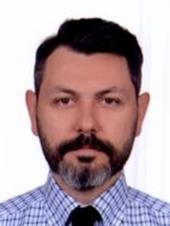
Bülent Çekiç - Hacettepe University, Ankara, Türkiye.
Bülent Çekiç is an Assistant Professor at Hacettepe University’s Department of Business Administration, where he integrates sustainability, supply chain management, and innovation into production systems. Passionate about bridging theory and practice, he focuses on how technology and strategic decision-making can drive more sustainable, resilient, and high-performing organizations.
Track session 4.
Innovative teaching methods in the field of SDGs
Track session 4a. Sustainability Literacy in Action: Education, Engagement, and Behavioral Change (SDG-LA)
Session Description
This track explores the intersection of Sustainable Development Goal (SDG) education and behavioral change across diverse cultural and institutional contexts. The session welcomes empirical, conceptual, and applied contributions examining how educational interventions, training programs, and organizational practices foster individual and collective transitions toward sustainability. Particular emphasis will be placed on studies that integrate SDG awareness and sustainability literacy into higher education, community engagement, and policy frameworks. The objective is to bridge the gap between sustainability knowledge and real-world behavioral change by showcasing effective pedagogical models, assessment tools, and culturally grounded strategies for embedding SDGs in learning and professional environments.
Contact: [email protected], [email protected]
Track chairs:
Anna Zgrzywa-Ziemak – WSB Merito University in Wrocław, Poland.
Professor at WSB Merito University in Wrocław. Her research focuses on business sustainability, organizational learning, and sustainable management practices. She leads the interdisciplinary Research Team on Sustainable Business and Systemic Risk and coordinates management sciences in WSB-DSW Merito Federation.
.jpg)
Selin Metin Camgöz – Hacettepe University, Ankara, Türkiye.
Professor at Hacettepe University (Türkiye). Her research covers leadership, workplace well-being, motivation and behavioral finance. Her work explores how educational and organizational contexts can encourage pro-environmental and socially responsible actions.
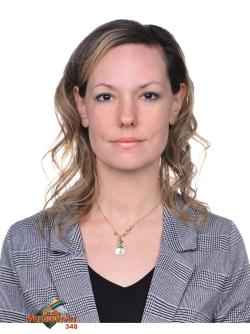
Katarzyna Walecka-Jankowska - Wrocław University of Science and Technology, Poland.
Assistant Professor at Wrocław University of Science and Technology (Poland), specializing in innovativeness, sustainable innovations, business sustainability and knowledge management. Her recent research focuses on social and environmental actions and their influence on sustainable outcomes, ESG and the role of SMEs in advancing sustainability-oriented transformation.

Track session 4b. Artificial Intelligence, Education and the Sustainable Development Goals (AI-ESG)
Description:
Much has been written about Artificial Intelligence (AI) in (higher) education, mostly highlighting its potential to enhance learning and innovation. However, as concerns grow about the ethical and environmental implications of AI, new tensions arise over its use in the context of sustainable higher education. This session aims to explore both the opportunities as well as the potential ‘dark side effects’ of AI in the context of higher education and the Sustainable Development Goals (SDGs). Potential topics include, but are not limited to, (i) enhancing learners’ knowledge and competencies through AI (e.g. with link to developed frameworks and tools, such as GreenComp and The Assessment of Sustainability Knowledge (TASK)); (ii) potential trade-offs of environmental footprints of AI and/in relation to universities; (iii) significant fields of tension related to algorithmic bias, digital divide, and academic integrity; (iv) students’ skills in critical thinking and dealing with fake news, misinformation and disinformation. We welcome contributions that explore fields of tension related to AI and advance the discussion in meaningful, reflective, and nuanced ways.
Contact: [email protected]; [email protected]
Track chair
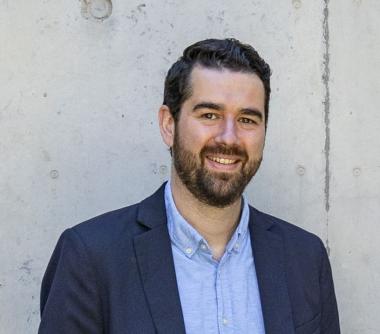
Wim Lambrechts – Open University of the Netherlands, Netherlands; Hasselt University, Belgium.
Wim Lambrechts is Associate Professor at Open Universiteit in the Netherlands and Visiting Professor at Hasselt University in Belgium. He holds a PhD in Philosophy and a Master in Sustainable Development and Human Ecology. His research explores the (historical) complexity of sustainability in education, work and leisure to inform future-oriented perspectives. He leads a Dutch Research Council (NWO)-funded project on sustainability-related competencies, empowerment and resilience in learning communities related to supply chain management, contributed to the development of GreenComp, the European sustainability competence framework and authored a background paper for UNESCO’s Futures of Education initiative.
Track session 5.
Center for Energy Value Issues - Competencies for Energy Valuation and Investment (CEVI).
Objective: To bring together academics and practitioners from around the world to explore timely issues in energy finance and investment, with an emphasis on empirical research and real-world applications.
Scope: The session will focus on: Energy markets, valuation and financial performance, Investment strategies and risk assessment in the energy sector, Leadership challenges in balancing energy security, resilience, and sustainability, The role of finance in the energy transition.
Relevance: The CEVI session is deeply aligned with the broader conference theme, emphasizing how financial and economic competencies are essential for managing energy transitions while maintaining systemic stability and social equity.
Contact: [email protected]; [email protected]
Kazim Baris Atici - Center for Energy Value Issues (CEVI, President), Hacettepe University, Ankara, Türkiye.
Prof. Dr. Atici specializes in Operational Research, mathematical modeling, decision analysis and efficiency measurement. He earned his PhD from the University of Warwick (UK). His research positions within the scope of decision aiding in public or private business sectors and focuses on applications of quantitative methods to various areas including Energy & Environment, Agriculture, Higher Education and Finance. He has published numerous articles in prestigious journals (including the European Journal of Operational Research, Omega, and Operations Research).

Track session 6.
Gender Balance in Leadership – New Perspectives on Management in Times of Socio-Economic Challenges (GBL-NP).
The track “Gender Balance in Leadership – New Perspectives on Management in Times of Socio-Economic Challenges” (GBL-NP) explores how achieving gender balance in leadership structures contributes to building resilient, innovative, and sustainable organizations. Integrating diverse perspectives of women and men into decision-making processes enables organizations to respond more effectively to rapidly changing social and economic needs (Acevedo-Duque et al., 2021; Cosentino & Paoloni, 2021; Woolley et al., 2010). Gender-inclusive leadership fosters a culture of mutual respect, cooperation, and creativity while enhancing the organization’s ability to address global crises, strengthen competitiveness, and build long-term resilience (Chen et al., 2019).
The session “Gender Balance in Leadership” provides a platform for exchanging knowledge and experience on the role of gender diversity in management. It encourages reflection on new leadership perspectives in the context of today’s socio-economic challenges and aims to formulate recommendations for developing resilient and innovative organizations while improving both their performance and social responsibility (Chadwick & Dawson, 2018; Ingersoll et al., 2023).
Suggested thematic areas:
Inclusive Leadership
• Inclusive leadership and building culturally diverse teams
• Gender balance in leadership – new perspectives on management in times of socio-economic challenges
• Leadership styles and team effectiveness (including virtual teams) by leader’s gender
• Leader competencies in multicultural team management
• The importance of women’s representation in decision-making during socio-economic crises
• The impact of gender balance on team effectiveness and organizational innovation
• Managing gender diversity in the context of global trends and local challenges
• Strategies for creating inclusive workplaces in international organizations
• Conflict resolution and trust-building in diverse teams
• The influence of cultural diversity on creativity and innovation
Organizational Culture
• The role of equality policies in shaping organizational culture
• The impact of organizational culture on women managers’ career development
Determinants of Women’s Career Success
• Analysis of barriers and opportunities for women in management at various organizational levels
• Women’s roles and career paths – new perspectives
• Mentoring and development programs for women leaders as opportunities for professional growth
________________________________________
Contact: [email protected]; [email protected]
Track Chairs
Małgorzata Kluska-Nowicka – WSB Merito University in Poznań, Poland.
Dr. Małgorzata Kluska-Nowicka is an active member of the Poznań Women Entrepreneurs’ Club and expert at the Press Information Centre of WSB Merito University, where she has contributed over 400 expert commentaries in leading Polish media on women’s situation in the labor market. Since 2023, she has served as Vice-Chair of the Prof. Władysław Balicki Award Committee, supporting the development of the academic community. She also chairs the regional jury of the “Women with Passion” contest, promoting leaders with disabilities. Her scholarly output includes over a dozen publications in human resource management, with particular focus on women’s leadership experiences.

Agnieszka Springer – WSB Merito University in Poznań, Poland.
Agnieszka Springer, psychologist and holds a postdoctoral degree in management sciences, assosciate professor at UWSB Merito in Poznań. Her research focuses on HRM and organizational psychology. Author of books and over 70 articles on employee attitudes, competencies, and well-being published in Polish and international academic journals

Co-chair: Marzena Kluska-Maier, USA
Marzena Kluska-Maier, M.A., is a PhD student at UWSB Merito in Gdansk and graduate of postgraduate management studies at UWSB Merito in Poznan and Wroclaw University of Economics. Currently living and working in Ohio, United States, her research focuses on management sciences and organizational behavior.

Track session 7.
Waste valorization for Circularity.
This session focuses on the valorization of organic wastes as a key strategy for advancing circular economy principles and fostering sustainability in agriculture and environmental management. Organic residues—including agricultural by-products, food wastes, municipal biowaste, biomass-derived ashes, and plant materials generated during environmental remediation—pose both challenges, due to their potential environmental impacts, and opportunities as renewable resources.
Sustainable transformation of these materials into value-added products such as composts, digestates, biofertilizers, biochar, energy carriers, and secondary raw materials can enhance soil fertility, improve nutrient cycling, support carbon sequestration, and reduce dependence on mineral fertilizers. Beyond agricultural benefits, organic waste valorization contributes to climate change mitigation, reduces greenhouse gas emissions, prevents nutrient leaching and water contamination, and reinforces sustainability-oriented environmental management at local, regional, and global levels.
This session also welcomes contributions addressing risk assessment, quality standards, regulatory frameworks, and best practices that ensure the safe and sustainable recycling of organic residues. We invite interdisciplinary submissions that examine technological, environmental, economic, and policy dimensions of organic waste valorization.
Topics of Interest:
- Digital and Smart Technologies for Waste Valorization
Applications of AI, IoT, and big data for monitoring organic waste streams, optimizing valorization processes, and ensuring product quality and traceability. - Social Innovation and Community-Based Valorization Models
Local and cooperative approaches to waste management and valorization, including urban farming initiatives, citizen-led composting, and social enterprises promoting circular practices. - Life Cycle Assessment (LCA) and Environmental Footprints of Valorization Pathways
Comparative studies evaluating carbon footprints, energy balances, and resource efficiencies of diverse waste-to-product technologies to inform policy and best practice development.
By bringing together researchers, practitioners, and policymakers, this session aims to foster dialogue on integrating organic waste valorization into the circular economy framework. It will showcase innovative solutions, identify potential risks, and explore strategies for scaling up sustainable practices that enhance systemic resilience, strengthen food and energy security, and advance long-term sustainability goals.
Contact: [email protected]; [email protected]
Track Chairs:
Valentyna V. Pidlisniuk - Jan Evangelista Purkyně University in Ústí nad Labem, Czech Republic.
Prof. Valentyna Pidlisnyuk (Jan Evangelista Purkyně University, Czechia) specializes in biowaste valorization, phytomanagement, and circular economy. Author of 380+ publications (71 WoS, H-index 19) and 12 patents. She has extensive international experience, including the Fulbright Program (USA) and Japan International Cooperation Agency Environmental Management Program.
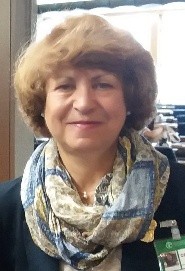
Karim Al Souki, Jan Evangelista Purkyně University in Ústí nad Labem, Czech Republic.
Karim Al Souki is currently an assistant professor at the faculty of Environment in Jan Evangelista Purkyne University (UJEP) in Usti nad Labem (Czechia). His scope of research mainly focuses on the soil/plant interactions in the context of the phytomanaging and enhancing the quality of contaminated and/or degraded soils, with the application of different plant models (miscanthus, quinoa, etc), along with the sustainable valorization of the produced biomass within the framework of circular economy. He obtained his PhD from the University of Lille 1 - Sciences and Technologies in France, while working in the Civil Engineering and geo-Environment (LGCgE) lab at ISA-Lille between 2014 and 2017. So far, he has published more than 20 scientific papers and several book chapters. Besides research work, he also has teaching and supervising activities for Phd and Masters students. He contributes as well in the internationalization activities at the university.
Andrzej C. Żołnowski, University of Warmia and Mazury in Olsztyn, Poland
Dr. Andrzej C. Żołnowski is associate professor of agronomy and agricultural and environmental chemistry. His research focuses on the toxic effects of xenobiotics on plants, soil, and water, as well as on the environmental management of municipal and industrial waste. He was awarded the Dekaban Fellowship at the University of British Columbia (Canada). He is the author or co-author of over 163 scientific publications, including 25 indexed in the Web of Science. His h-index is 11, with a cumulative impact factor of 41.733.
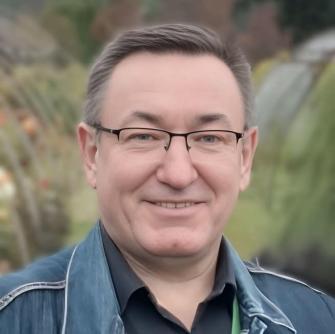
Aigerim Mamirova, Al-Farabi National University, Kazakhstan.
Track session 8.
Humanistic Approach to Future Leadership- Art of Management and Management of Art (AMMA).
The session focuses on humanistic and aesthetic insights into leadership of the future. The humanistic-aesthetic lenses suggest that leadership is more an art than a science.
Art of Management and Management of Art will explore management as a humanistic and aesthetic practice, moving beyond purely instrumental or mechanical paradigms. The session investigates how aesthetic sensibilities, creativity, narrative, symbolism, and cultural practices shape leadership, decision-making, and organisational life. It emphasises the role of art, design, and humanistic approaches in building resilience, fostering empathy, and re-imagining management for a sustainable and complex future. By contrasting reductionist models with holistic and interpretive perspectives, the session seeks to reposition management as both a science and an art of meaning-making, care, and transformation.
List of topics to be addressed:
• Aesthetic Foundations of Management – exploring beauty, harmony, and creativity as managerial values.
• Narrative, Metaphor, and Symbolism in Organisations – how stories shape identity, resilience, and change.
• Arts-Based Methods in Leadership Development – from theatre workshops to design-driven innovation.
• Humanistic vs. Instrumental Paradigms – rethinking management beyond efficiency and control.
• Art as a Tool for Sustainability and Systemic Resilience – lessons from creative practices for ecological and socio-economic transformation.
• The Manager as Artist or Curator – new roles for leadership inspired by artistic and cultural institutions.
• Organisational Aesthetics – spatial, visual, and performative dimensions of work and their impact on wellbeing and collaboration.
• Critiques of Mechanistic Management – limits of technocratic and efficiency-driven models in times of crisis.
Contact: [email protected]; [email protected]
Track chairs
Michał Szostak - Civitas University, Warsaw, Poland.
Professor Michał Szostak is Vice-Rector for Scientific and International Affairs and Head of the Institute for Management Research at Civitas University, Warsaw. He earned a Habilitated Doctorate in Management and a Doctorate in Musical Arts. He conducts interdisciplinary scientific research at the intersection of management, art, and aesthetics, the results of which are published in leading international publishing houses and journals.

Muhammad Majid Khan - COMSATS University, Islamabad, Pakistan.
Professor Muhammad Majid Khan has over 25 years of experience in teaching, educational development, and management. Holding a PhD in Education Management and Leadership from the University of Massachusetts Amherst, he has served as Director of Educational Development at COMSATS and as a Co-PI on an IFPRI-funded study on High-Performance Work Systems.
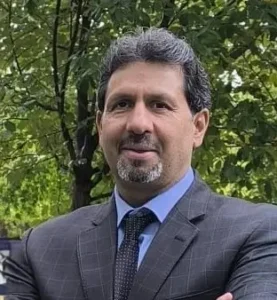
Monika Kostera, L'université Rennes, France & Södertörn University, Sweden .
Professor Monika Kostera is a Polish sociologist of management, known for her work on organizational ethnography, storytelling, and humanistic management. She works at the University of Warsaw, Södertörn University, and Institut Mines‑Télécom Business School, and has published extensively on organizational culture and myth.
John Reuben Davies, University of Glasgow, UK.
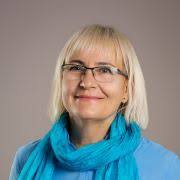
Dr. John Davies is Associate Director of Arts Lab at the University of Glasgow, leading cross-college research in Arts and Humanities. With a PhD in Anglo-Saxon, Norse and Celtic from Cambridge, his research spans medieval ecclesiastical history, liturgy, and law, alongside cross-cultural collaborations on Indian heritage and early medieval records.
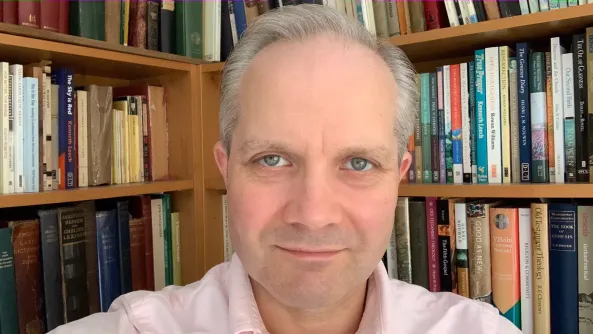
Steven S. Taylor, The Business School, Worcester Polytechnic Institute, MI, USA.
Professor Steve Taylor works at the Business School at Worcester Polytechnic Institute, MA, USA, holding a PhD in Management and Organizational Studies from Boston College. His research focuses on organizational aesthetics and reflective practice, exploring how management blends with art and craft.

Track session 9.
Human Resource Management for a Sustainable and Inclusive Workplace (HRM-SIW).
This track explores the evolving role of human resource management in developing the competencies, values, and practices needed to build sustainable and inclusive workplaces of the future. The session seeks to examine how HRM can contribute to systemic resilience by fostering employee well-being, diversity, and ethical leadership in the face of ecological and socio-economic challenges. We invite interdisciplinary and forward-looking contributions that address sustainable HRM, inclusion and equity in organizations, leadership for sustainability, meaningful work, and the human implications of digital transformation and AI. The track aims to encourage dialogue between researchers and practitioners on how people management can drive organizational transformation toward resilience, inclusion, and long-term sustainability.
Contact: [email protected]; [email protected]
Track chairs
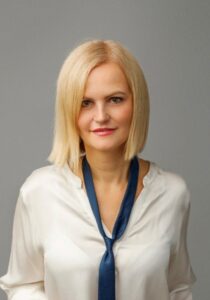
Małgorzata Baran, Civitas University, Warsaw, Poland.
An Associate Professor of Management at Civitas University with an Executive MBA. Recognized as an expert for NAWA, NCBIR, and FRSE, and a Visiting Professor. Her research interests include HRM, sustainability, well-being, mentoring, generational diversity. She is a mentor and member of the International Mentoring Association. The author of numerous educational, scientific, and development projects.
Track session 10.
Psychological Antifragility: Growing Through Uncertainty
In an age of accelerating change and constant disruption, psychological resilience is no longer sufficient condition for survival. Individuals, organizations, and societies are increasingly challenged to not only withstand adversity but to grow stronger because of it. This session examines psychological antifragility—the capacity to leverage stressors, volatility, and ambiguity as inputs for learning, adaptation, and growth. Beyond resilience (returning to baseline), antifragility concerns mechanisms by which individuals, groups, and institutions improve because of exposure to challenge..
We invite interdisciplinary dialogue at the intersection of psychology, education, organizational studies, and systems science, with a particular interest in lifespan perspectives: from childhood and adolescence in rapidly changing environments to adult development and leadership under uncertainty. We welcome empirical, theoretical, and methodological work that clarifies constructs and mechanisms, evaluates interventions, and translates insights into educational, clinical, and organizational practice. Contributions that interrogate boundary conditions, unintended consequences, and equity implications are especially encouraged.
Suggested topics include, but are not limited to:
• Conceptual and measurement advances: distinguishing antifragility from resilience, grit, and stress inoculation; operationalization and validation across contexts and cultures.
• Mechanisms and processes: cognitive, affective, social, and neurobiological pathways through which stressors become learning signals; role of feedback, error, and variability.
• Interventions and pedagogy: educational and therapeutic designs that cultivate antifragile mindsets and skills (e.g., structured challenge, reflective practice, formative assessment, exposure-based learning).
• Organizational and institutional design: how workplaces, schools, and communities structure incentives, norms, and slack to enable improvement under volatility.
• Lifespan and developmental perspectives: sensitive periods, developmental scaffolding, and the specific opportunities and risks for children and adolescents.
• Methods and data: experimental, longitudinal, and quasi-experimental approaches; behavioral and physiological indices; computational and agent-based models; open science practices.
• Applications and case analyses: leadership under crisis, healthcare and education systems under strain, and community-level responses to compound stressors.
Special attention will be given to young people, for whom antifragility may become a vital mental health and leadership competence in the 21st century.
Contact: [email protected]; [email protected]
Track chairs:
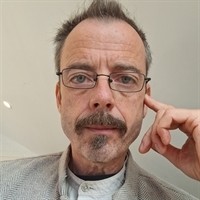
Jarl Kampen, Wageningen University & Research, The Netherlands.
Dr. Jarl K. Kampen is assistant professor in Biometris at Wageningen University & Research. A statistician and research methodologist, he specializes in the philosophy of science, research design, and measurement. He is a member of the Research Ethics Committee and serves on the PSG Workers Council.
Justyna Kuświk, WSB Merito University in Wrocław, Poland.
Justyna Kuświk – PhD in Psychology, works at the Faculty of Economics in Opole, WSB Merito University in Wrocław. Her current research interests include the functioning of politicians in terms of occupational stress management, determinants of professional burnout among politicians, self-image, and their mental and physical health.

Track session 11.
Systemic security risks in sustainability transitions – geopolitical, informational and strategic dimensions.
Sustainability transitions unfold in an environment marked by geopolitical tensions, digital vulnerabilities, and deep structural transformations. As states and organizations shift toward low-carbon, interconnected, and technologically dependent systems, they face new forms of systemic security risks that arise from the interplay of political instability, information warfare, and strategic misalignment. These risks are amplified by complex feedback loops linking energy security, hybrid conflict, cyber operations, and public trust.
This track examines how geopolitical, informational, and strategic factors shape systemic vulnerabilities during sustainability transitions. It aims to identify mechanisms through which external shocks—such as hybrid warfare, disinformation campaigns, regional conflicts, or institutional erosion—interact with internal weaknesses in governance, infrastructure, and risk perception. By integrating insights from security studies, systems thinking, and strategic management, the session seeks to advance understanding of how security leadership must evolve in the context of 2050.
We invite contributions that:
• Analyse systemic security risks generated by geopolitical instability in Central and Eastern Europe, the Baltic Sea region, and EU neighbourhoods.
• Examine hybrid threats, disinformation ecosystems, and cyber-enabled disruptions affecting public institutions, critical infrastructure, and societal cohesion.
• Explore how sustainability transitions reshape strategic vulnerabilities in energy systems, logistics, defence planning, and crisis governance.
• Propose frameworks for early detection of security-related risk amplifiers, drawing on cognition, organisational behaviour, and policy design.
• Investigate leadership competencies required to manage complex, multi-domain risks under conditions of uncertainty and systemic change.
The session encourages interdisciplinary and multi-method research addressing the co-evolution of political, social, informational, and technological systems. Its goal is to support the development of proactive security strategies and leadership capacities needed to navigate the interconnected security challenges of the mid-21st century.
Contact: [email protected]; [email protected]
Track chairs:
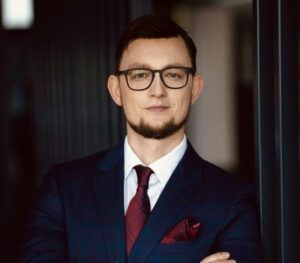
Miłosz Gac, WSB Merito University in Gdańsk, Poland.
Prof. Miłosz Gac specializes in state maritime and political-military security in the Baltic Sea region of the 20th and 21st centuries. His research examines Northern and Central Eastern European geopolitics, NATO–Russia relations, hybrid threats, and Baltic militarization. He analyses evolving maritime security environments, naval policy, and regional threat identification, contributing to debates on contemporary security and stability.
Creative Scientific Communities
- Future Leadership Competencies (2050) – Mapping essential skills under climate change, AI, and crises.
- Systemic Resilience & Crisis Leadership – Designing resilient leaders and organizations.
- Education for Sustainable Futures – Developing transformative curricula (Study for the Planet 2050).
- Just Transition & Inclusive Leadership – Designing inclusive frameworks for equity in transitions.
- Sustainable Business Models – Circular and impact-driven entrepreneurship for 2050.
Conference Fee
250 euro Regular
150 euro Student
Custom Pricing: negotiated individually
Committees
Scientific committee
Johannes (Joost) Platje –WSB Merito University Wrocław, Poland, Research Centre for System Risk Management
Kazim Baris Atici – Center for Energy Value Issues (CEVI, President), Hacettepe University, Ankara, Turkiya
Selin Metin Camgöz – Hacettepe University, Ankara, Turkiya
Bülent Çekiç, Hacettepe University, Ankara, Turkiya
Mehmet Baha Karan, Hacettepe University, Ankara, Turkiya
Jana Brauweiler, University of Applied Sciences Zittau/Görlitz, Germany
Tino Schűtte, University of Applied Sciences Zittau/Görlitz, Germany
Markus Will – University of Applied Sciences Zittau/Görlitz, Germany
André Dorsman, Vrije Universiteit Amsterdam & Research Centre for System Risk Management
Wim Westerman, Rijksuniversiteit Groningen, The Netherlands
Katja Sirviö, University of Vaasa, Finland
Petra Berg, University of Vaasa, Finland
Lachezar Grudev, University of Applied Sciences Zwickau, Germany
Ralph M. Wrobel, University of Applied Sciences Zwickau, Germany
Muhammad Majid Khan, COMSATS University, Islamabad, Pakistan
Monika Kostera, L’université Rennes, France & Södertörn University, Sweden
John Reuben Davies, University of Glasgow, UK
Steven S. Taylor, The Business School, Worcester Polytechnic Institute, USA
Harald Gell, Theresan Military Academy, Austria
Marzena Kluska-Maier, USA
Valentyna V. Pidlisniuk, Jan Evangelista Purkyně University in Ústí nad Labem, Czech Reublic
Karim Al Souki, Jan Evangelista Purkyně University in Ústí nad Labem, Czech Republic.
Andrzej Żołnowski, University of Warmia and Mazury, Poland
Aigerim Mamirova, Al-Farabi National University, Kazakhstan
Wim Lambrechts, Open University of the Netherlands, Netherlands; Hasselt University, Belgium
Piotr Pietrakowski, WSB Merito University Wroclaw/Opole, Poland
Katarzyna Walecka-Jankowska, Wrocław University of Science and Technology, Poland
Anna Zgrzywa-Ziemak, WSB Merito University in Wrocław, Poland
Małgorzata Kluska-Nowicka, WSB Merito University in Poznań, Poland
Agnieszka Springer, WSB Merito University in Poznań, Poland
Marcin Kalinowski, Research Federation WSB-DSW Merito
Michał Szostak, Civitas University, Warsaw, Poland
Artur Kozłowski, WSB Merito University in Gdańsk, Poland
Anna Stolińska, Wyższa Szkoła Ekonomii i Informatyki w Krakowie, Cracow, Poland
Miłosz Gac, WSB Merito University in Gdańsk, Poland
Arnold Bernaciak, WSB Merito University in Poznań, Poland
Sławomir Krzychała, DSW University of Lower Silesia, Wrocław, Poland
Monika Chodorek, WSB Merito University in Toruń, Poland
Jacek Jaworski, Research Federation WSB-DSW Merito, WSB Merito University in Gdańsk, Poland
Krystian Wojtkiewicz, Wrocław University of Science and Technology, Poland
Rafał Palak, Wrocław University of Science and Technology, Poland
Tomasz Smal, WSB Merito University in Wroclaw
Małgorzata Baran, Uniwersytet Civitas, Poland
Organization Committee:
Agnieszka Bera
Alicja Gruszczyńska
Katarzyna Kulig-Moskwa
Katarzyna Mizera
Magdalena Murzyn
Dorota Otręba
Agnieszka Pawlak-Wolanin
Piotr Pietrakowski
Joost Platje
Mateusz Rak
Przemysław Szuba
Anna Zgrzywa-Ziemak
Publications

Publications
Selected works will be considered for:
- Monograph at Oxford University Press
- CEVI Springer Series (2027)
Special issues in high-ranking journals, including:
- International Journal of Sustainability in Higher Education.
- Economics and Environment.

- New Open Access Journal: Sustainability Letters. https://sustainabilityletters.net/

- Rocznik Bezpieczeństwa Międzynarodowego. https://rocznikbezpieczenstwa.pl/ojs/index.php/rbm

- CEREM - Central European Review of Economics and Management. https://www.cerem-review.eu/
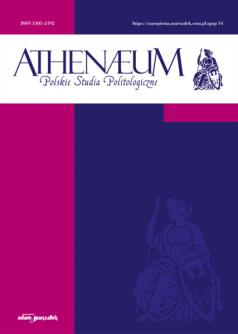
- Athenaeum. Polish Political Studies https://civitas.edu.pl/en/research/athenaeum-polskie-studia-politologic…;
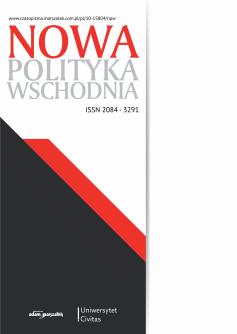
- The New Eastern Policy (Nowa Polityka Wschodnia) https://civitas.edu.pl/en/research/nowa-polityka-wschodnia-en
- Zoon Politikon https://civitas.edu.pl/en/research/zoon-politikon

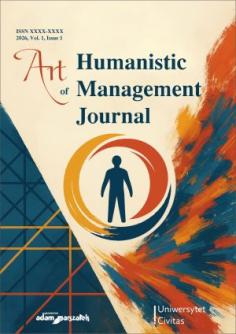
- Art of Humanistic Management https://civitas.edu.pl/en/research/art-of-humanistic-management-journal
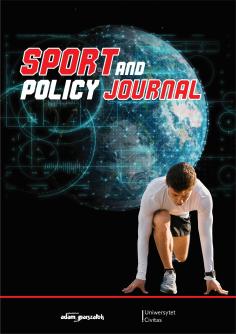
- Sport and Policy Journal https://civitas.edu.pl/en/research/sport-and-policy-journa
Our Campus
LEADER 2050 Conference | Future Leadership Competencies
Contact
For any questions, please contact: [email protected]